Understanding What is Fiberglass Repair
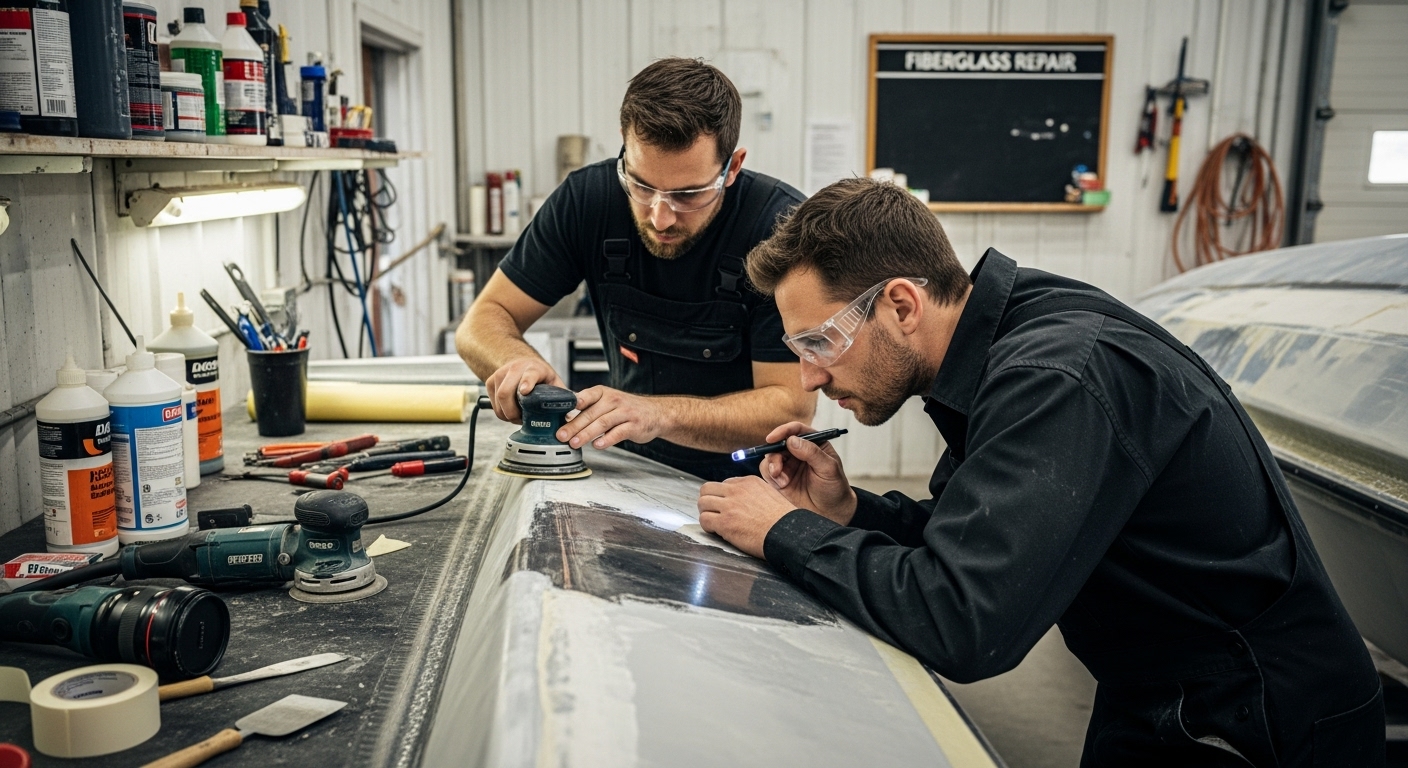
Fiberglass has quietly taken over the boating world and now makes up the backbone of most modern vessels. Yet not everyone knows that fiberglass composites can be up to five times stronger than steel pound for pound. That strength comes with a hidden risk. Even the smallest crack can start a chain reaction that threatens your boat’s safety and value in ways you would never expect.
Table of Contents
Quick Summary
Takeaway | Explanation |
Regular inspections are crucial | Timely inspections help identify minor issues before they escalate into serious structural problems. |
Fiberglass requires specialized repair techniques | Professional techniques ensure structural integrity and aesthetic quality during repairs. |
Neglecting repairs can reduce value | Unaddressed damage lowers a boat’s market value and performance efficiency. |
Environmental factors can damage fiberglass | Exposure to saltwater, UV, and temperature fluctuations contributes to surface deterioration. |
Professional repairs enhance safety and performance | Expert technicians restore boats to optimal conditions, ensuring reliability and longevity. |
Defining Fiberglass and Its Uses in Boating
Fiberglass represents a revolutionary material that has transformed marine construction and repair. At its core, fiberglass is a synthetic material composed of fine glass fibers woven together and reinforced with a plastic resin, creating an incredibly strong and lightweight composite. This unique material has become fundamental in boat manufacturing and maintenance due to its exceptional properties.
The Composition of Fiberglass
Understanding what is fiberglass repair begins with comprehending its fundamental structure. According to SafeWork SA, fiberglass is formed by melting glass in a furnace and forcing molten material through tiny holes to create fine filaments. These delicate glass threads are then interwoven and combined with polyester or epoxy resin, resulting in a material that offers remarkable strength and flexibility.
Key characteristics of fiberglass include:
High resistance to corrosion
Lightweight construction
Superior durability compared to traditional materials
Excellent water and weather resistance
Marine Applications and Benefits
In marine environments, fiberglass has become the preferred material for boat hulls, decks, and various structural components. Its ability to withstand harsh saltwater conditions while maintaining structural integrity makes it invaluable. According to Marine Safety Tasmania, fiberglass boats require regular maintenance to preserve their structural integrity, but they offer significant advantages over traditional wooden vessels.
Boat owners appreciate fiberglass for its smooth finish, minimal maintenance requirements, and remarkable durability. The material can be molded into complex shapes, allowing for innovative design possibilities that traditional boat-building materials cannot achieve. Whether you own a small recreational vessel or a larger marine craft, fiberglass provides a robust solution that combines performance and aesthetic appeal.
Importance of Fiberglass Repair for Boat Longevity
Fiberglass boats represent significant investments, making proactive maintenance and timely repair critical for preserving their performance, safety, and value. Understanding the importance of fiberglass repair goes beyond cosmetic considerations and directly impacts a vessel’s structural integrity and operational efficiency.
Preventing Structural Deterioration
Boat owners must recognize that even minor damage can escalate into major structural issues if left unaddressed. According to Marine Safety Tasmania, regular inspections and prompt repairs are essential for maintaining a boat’s structural integrity. Small cracks, chips, or delamination can compromise the hull’s strength, potentially leading to catastrophic failures during marine operations.
Key risks of neglecting fiberglass repair include:
Progressive structural weakening
Water infiltration and potential core rot
Increased vulnerability to environmental damage
Potential safety hazards during maritime activities
Economic and Performance Implications
Effective fiberglass repair extends beyond preventing damage. It directly influences a boat’s performance, fuel efficiency, and overall market value. Unrepaired damage creates additional surface friction, reducing hydrodynamic efficiency and increasing fuel consumption. Moreover, well-maintained boats retain significantly higher resale values compared to vessels with visible structural imperfections.
Timely repairs can prevent more extensive and costly restoration work, making proactive maintenance a smart financial strategy for boat owners.
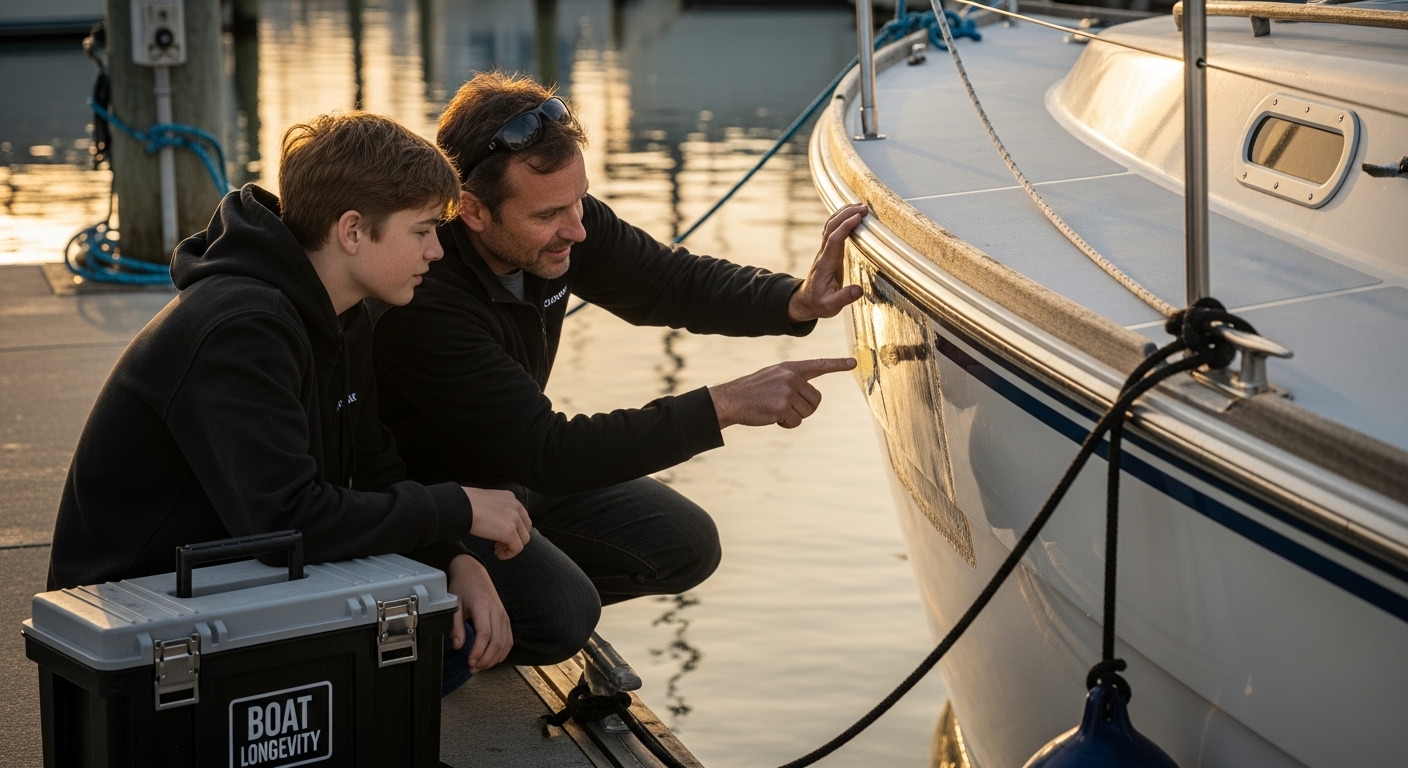
By addressing minor issues promptly, you can avoid expensive comprehensive repairs and maintain your vessel’s optimal performance and aesthetic appeal.
How Fiberglass Repair Works: Materials and Techniques
Fiberglass repair is a specialized process that requires precision, skill, and understanding of composite material mechanics. Professional marine technicians employ sophisticated techniques to restore damaged fiberglass surfaces, ensuring structural integrity and aesthetic quality remains uncompromised.
Essential Repair Materials
Successful fiberglass repair demands specific materials that provide strength, durability, and seamless integration. According to Austroads Technical Specifications, the primary components for effective fiberglass repair include:
High-quality polyester or epoxy resin
Fiberglass cloth or mat
Hardening agents
Sandpaper with varying grit levels
Protective safety equipment
The selection of appropriate materials depends on the specific damage type, location, and environmental conditions the boat will encounter. Professional technicians carefully match repair materials to the original fiberglass composition, ensuring optimal bonding and performance.
Repair Techniques and Considerations
Fiberglass repair involves multiple strategic steps designed to restore the material’s original strength and appearance. The process typically begins with thorough surface preparation, which includes cleaning, removing damaged sections, and creating appropriate bonding surfaces. Technicians must carefully assess the extent of damage, determining whether a simple patch or more comprehensive structural repair is required.
Critical repair considerations include managing environmental factors such as temperature and humidity, which significantly impact resin curing and overall repair quality. Precise layering of fiberglass cloth, careful resin application, and professional finishing techniques are essential for creating a repair that is virtually indistinguishable from the original surface.
Common Issues Requiring Fiberglass Repair in Boats
Fiberglass boats, while renowned for their durability, are not immune to damage. Understanding the most frequent issues can help boat owners identify potential problems early and prevent more extensive structural complications. Proactive recognition of these challenges is crucial for maintaining vessel performance and safety.
Structural Damage and Impact Zones
Boat hulls and decks experience significant stress from marine environments, collisions, and regular usage. According to Marine Safety Tasmania, the most common structural issues emerge from:
Impact damage from rocks, debris, or docking accidents
Stress fractures caused by wave impacts
Gelcoat cracking and surface degradation
Delamination of fiberglass layers
Transom and hull-deck joint weakening
These structural vulnerabilities can compromise a boat’s integrity if not addressed promptly. Small cracks or chips may seem cosmetic but can rapidly develop into significant structural failures, particularly in high-stress areas like the hull and transom.
Environmental and Usage-Related Deterioration
Beyond physical impacts, fiberglass boats suffer from continuous environmental exposure. Saltwater, UV radiation, temperature fluctuations, and mechanical stress gradually deteriorate fiberglass surfaces. Boat owners should regularly inspect critical areas for signs of wear, including gelcoat oxidation, micro-cracking, and potential water infiltration points.
Potential warning signs requiring immediate professional assessment include visible surface irregularities, soft or flexible areas when pressure is applied, unexplained water accumulation, and changes in boat handling characteristics. Early detection and professional repair can prevent minor issues from escalating into costly, comprehensive restoration projects.
The following table summarizes common fiberglass damage types found in boats, their typical causes, and why each requires prompt attention.
Damage Type | Typical Cause | Reason for Prompt Repair |
Impact Damage | Collisions with rocks or docks | Prevents spreading cracks and leaks |
Stress Fractures | Repeated wave impacts | Maintains structural integrity |
Gelcoat Cracking | Weathering, minor impacts | Stops moisture infiltration |
Delamination | Water ingress, aging | Reinstates bond between layers |
Transom Weakening | Hull-deck joint stress | Prevents catastrophic failure |
Surface Oxidation | UV exposure, saltwater | Preserves protective finish |
Advantages of Professional vs. DIY Fiberglass Repair
Fiberglass repair demands specialized skills and precise techniques that distinguish professional services from amateur attempts. While the allure of cost savings might tempt boat owners to undertake repairs independently, the complexity of fiberglass restoration requires expert knowledge and professional-grade equipment.
Technical Expertise and Risk Mitigation
According to SafeWork SA, handling fiberglass involves significant health and safety considerations. Professional technicians understand critical safety protocols and possess comprehensive knowledge about:
Proper protective equipment usage
Chemical handling and ventilation requirements
Precise material selection for specific damage types
Advanced application techniques
Structural integrity assessment
Amateur repairs frequently result in compromised structural integrity, potentially creating more extensive damage that reduces boat performance and safety. Professionals conduct thorough assessments, identifying underlying issues that might remain undetected by untrained individuals.
Long-Term Cost and Performance Considerations
While DIY repairs might seem economical initially, professional fiberglass restoration offers substantial long-term benefits. Expert technicians ensure:
Seamless aesthetic restoration
Guaranteed structural reinforcement
Preservation of original manufacturer specifications
Comprehensive warranty on repair work
Minimized future maintenance requirements
Professional repairs ultimately protect your boat investment, maintaining its value and performance capabilities. The precision and expertise of marine technicians provide boat owners peace of mind, knowing their vessel has been restored to its optimal condition by skilled professionals.
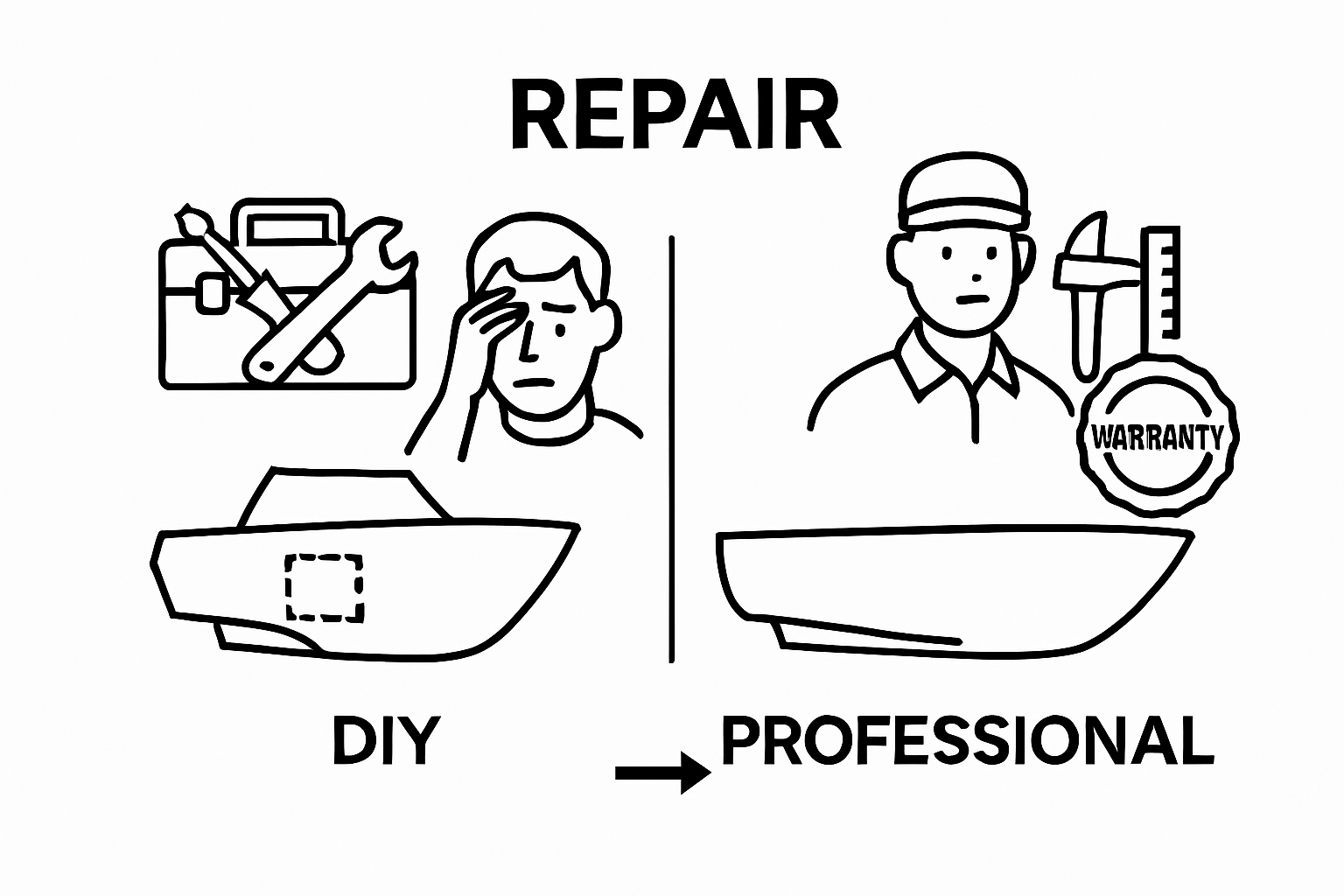
To help distinguish the benefits and limitations of each approach, the table below compares professional versus DIY fiberglass repair based on several key factors.
Aspect | Professional Repair | DIY Repair |
Technical Expertise | High; trained specialists | Typically limited or self-taught |
Structural Integrity | Guaranteed with assessments | May be compromised if done improperly |
Safety Measures | Follows strict protocols | Often overlooks proper safety |
Material Selection | Precisely matched to damage | Can be mismatched or generic |
Final Aesthetic | Seamless, matches original finish | May show visible flaws |
Warranties/Guarantees | Usually provided | Rarely available |
Cost Over Time | Lower with fewer future repairs | Can increase if rework is required |
Transform Your Boat with Professional Fiberglass Repairs
You have invested a lot into your boat, and the thought of hidden cracks or spreading delamination is stressful. The article highlighted how even minor fiberglass damage can risk your vessel’s structural integrity, fuel efficiency, and overall value. If you want to safeguard your boat from water infiltration, surface degradation, or dangerous structural weaknesses, there is a smarter way to stay ahead.

Do not let small problems turn into expensive emergencies. Bring in marine specialists who understand the importance of proper fiberglass repair. At Lightning Boat Builders, we provide mobile marine services that come right to you, specializing in custom fiberglass work, antifoul, and detailing. We use high-quality resins, advanced techniques, and offer repairs that restore not just appearance but strength and safety. Give your boat the care it deserves and make sure it is ready for every adventure. Visit our main site today to learn how easy it is to get expert support right at your dock. Book now and protect your investment before minor damage leads to bigger issues.
Frequently Asked Questions
What is fiberglass repair?
Fiberglass repair is the process of restoring damaged fiberglass surfaces using specialized materials and techniques to ensure both structural integrity and aesthetic quality.
What are common issues that require fiberglass repair in boats?
Common issues include structural damage from impacts, stress fractures, gelcoat cracking, delamination of layers, and deterioration from environmental exposure.
How does fiberglass repair impact boat performance?
Proper fiberglass repair enhances boat performance by restoring structural integrity, reducing surface friction, and improving hydrodynamic efficiency, thereby impacting fuel consumption positively.
Can I perform fiberglass repairs myself, or should I hire a professional?
While DIY repairs may be tempting, hiring a professional ensures a thorough assessment and precise execution, reducing the risk of compromised structural integrity and future damage.
Comments